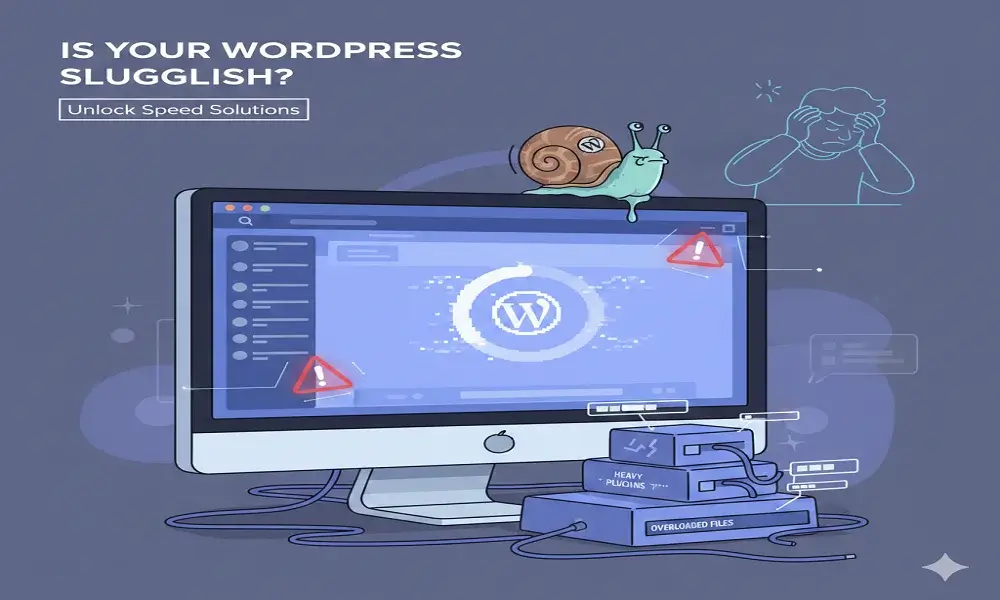
A slow website is one of the biggest reasons businesses lose customers online. In today’s digital world, users do not wait longer than a few seconds — if your WordPress website takes too much time to load, people leave instantly, without even seeing your services or offers. This creates a bad first impression and directly affects your revenue. A fast and optimized website is not just a technical requirement anymore; it has become a major part of modern customer experience and search engine ranking.
When a business owner invests in website design, branding, marketing, or running paid ads, the goal is simple — bring more customers. But if the site itself is slow, the traffic you are paying for is wasted. This is why website speed has become a critical business factor in 2025. Whether you run an agency, ecommerce store, consultancy, or service website, your growth depends on a fast and smooth user experience.
A slow WordPress website impacts multiple areas: user satisfaction, conversions, SEO ranking, mobile performance, and customer trust. The good news is that speed issues can be fixed — but only if you understand the root causes and apply the right solutions. This blog explains why slow WordPress sites harm your business and what steps you can take to solve the problem effectively.
Most visitors expect your website to load in under 3 seconds. If it takes longer, visitors leave before even exploring your content. A slow site frustrates users, especially when they are browsing from mobile networks.
Slow loading leads to:
High bounce rate
Low engagement
Poor first impression
Lower time on site
In short, a slow site silently kills your conversion potential.
Google ranks faster websites higher because they offer better experience. If your WordPress website is slow, Google reduces your visibility, no matter how good your content or services are.
This means:
Lower ranking
Fewer visitors
Higher ad costs
Reduced organic reach
Speed is now a part of Google’s “Core Web Vitals,” so ignoring it directly affects long-term growth.
When a potential customer clicks an ad or a link and sees a slow page, they instantly lose trust. They assume:
Your business is outdated
Your services might be unprofessional
Your website is not secure
For ecommerce stores, just a 1-second delay can reduce sales by up to 7%. For agencies and service businesses, a slow contact page reduces inquiries dramatically.
If you are spending money on:
Google Ads
Facebook Ads
SEO
Email Marketing
But your site is slow… then your budget is going to waste. Paid traffic converts only if your landing pages load fast.
Most speed issues come from:
Heavy or unoptimized images
Too many plugins
Low-quality hosting
Unoptimized themes
No caching enabled
Outdated PHP or WordPress version
Unnecessary scripts and CSS
Page builders without performance tuning
The key is identifying which issue affects your website most.
1. Use High-Quality Hosting
Cheap hosting slows down your website, especially during traffic. Invest in fast servers.
2. Compress & Optimize All Images
Large images are the #1 reason for slow loading. Use WebP, compressed quality, and proper sizing.
3. Limit Heavy Plugins
Too many plugins slow down the site. Remove anything unnecessary.
4. Enable Caching
Use LiteSpeed Cache, WP Rocket, or similar for faster loading.
5. Update WordPress, Theme & Plugins
Outdated software increases load time and security risk.
6. Use a Lightweight Theme
Avoid heavy templates and bloated layouts.
7. Minify CSS & JavaScript
Reduce file size and loading requests.
8. Use a CDN
Boost global loading speed, especially for international visitors.
A slow WordPress website damages your business silently — reducing customers, lowering rankings, and wasting marketing budget. Optimizing speed is not optional; it’s a long-term investment that improves user satisfaction, builds trust, and increases conversions. If you take the right steps, your website can perform smoothly and help your business grow faster than ever.

Greeny is a WordPress agency offering website design, development, SEO, maintenance, and ongoing support services. Founded and managed by experienced WordPress developers, Greeny focuses on building fast, secure, and search-engine-friendly websites with transparency and long-term client support.
GreenyWebs | WordPress Development Agency
Typically replies within minutes
Hello! Need a website that looks great and works perfectly? Chat with us and get started today.
WhatsApp Us
WhatsApp us